


1.点击下面按钮复制微信号
点击复制微信号
珀菲特企业管理
Karen /郑老师
《Design Thinking (DT) Cross-Departmental Innovation Workshop 》设计思维赋能跨部门创新工作坊
主讲:梁展红老师
Workshop Background
工作坊背景
In the B-end business sector, many enterprises face a common dilemma: "aspiring to innovate but struggling to implement."在 B 端业务领域,许多企业正面临着 “想创新却难落地” 的共性困境:
• Severe cross-departmental information silos: Business teams (client liaison, sales/post-sales) understand explicit client needs (e.g., "slow service response," "cumbersome operations") but lack awareness of technical implementation boundaries and costs; technical teams (R&D, operations) excel in system feasibility but have no in-depth access to clients’ actual usage scenarios and market trends, leading to a deadlock: "demands proposed by business teams are technically unfeasible, while products developed by technical teams are unused by clients."跨部门信息孤岛严重:业务团队(客户对接、销售 / 售后)熟悉客户显性需求(如 “服务响应慢”“操作复杂”),却不了解技术实现的边界与成本;技术团队(研发、运维)精通系统可行性,却未深入触达客户真实使用场景与市场趋势,导致 “业务提的需求技术做不了,技术做的产品客户不用”。
• Wasted resources due to collaboration gaps: Without a unified "client perspective" and "business perspective," cross-departmental improvement directions conceived in the early stage are either "detached from client reality (tech teams working in isolation)" or "unimplementable (business teams making arbitrary demands)." Repeated trials yield no results, and market opportunities are missed.协作断层浪费资源:因缺乏统一的 “客户视角” 与 “商业视角”,跨部门前期设想的改善方向要么 “脱离客户实际(技术闭门造车)”,要么 “无法落地推行(业务拍脑袋提需求)”,反复试错却难见成效,错失市场机会。
• Inefficient decision-making and innovation: B-end businesses involve multiple internal departments (business/tech/commercial) and external stakeholders (client procurement/usage/decision-making teams), resulting in long decision-making chains. Additionally, roles have inconsistent perceptions of "what constitutes valuable innovation," confining innovation to "superficial process optimization" and failing to address core pain points.决策与创新低效:B 端业务涉及内部多部门(业务 / 技术 / 商务)、外部多利益相关方(客户采购 / 使用 / 决策层),决策链条长,且各角色对 “什么是有价值的创新” 认知不一致,导致创新停留在 “流程优化表层”,难以突破核心痛点。
When organizations are trapped in a cycle of "difficult cross-departmental collaboration, unimplementable innovation, and misaligned demands," they need a tool and method to break barriers and focus on value — the Design Thinking (DT) Cross-Departmental Innovation Workshop is tailored to solve these common problems. 当组织陷入 “跨部门难协同、创新难落地、需求难对齐” 的循环时,需要一套能打破隔阂、聚焦价值的工具与方法 ——Design Thinking(DT)跨部门创新工作坊,正是为解决这些共性问题而来。
Workshop Objectives 工作坊目标
1. Tool Mastery & Scenario Identification: Enable cross-departmental teams to proficiently use core DT tools, jointly identify specific improvement scenarios that "align with market demands, address client pain points, and have commercial potential," and avoid aimless efforts.工具掌握与场景锁定:让跨部门团队熟练运用 DT 核心工具,共同找到 “符合市场需求、适配客户痛点、具备商业化潜力” 的具体改善场景,避免无的放矢。
2. Process & Journey Co-creation: Around the identified scenario, cross-departmental teams collaborate to map end-to-end business processes and reconstruct the complete user journey (including key touchpoints and bottlenecks for both clients and internal collaborators), clarifying the full-link logic "from demand to implementation."流程与旅程共创:围绕锁定的场景,跨部门协作梳理端到端业务流程,还原完整用户旅程(含客户方、内部协作方的关键触点与卡点),厘清 “从需求到落地” 的全链路逻辑。
3. Innovation Opportunity Mining: From bottlenecks in business processes and user journeys, excavate high-value innovation opportunities, forming a "implementable, valuable, and multi-stakeholder-approved" list of innovation opportunities to provide clear directions for subsequent product/system optimization.创新机会挖掘:从业务流程与用户旅程的卡点中,挖掘高价值创新机会点,形成 “可落地、有价值、获多方认可” 的创新机会清单,为后续产品 / 系统优化提供明确方向。
Workshop Target Audience 工作坊对象
To ensure cross-departmental collaboration and demand alignment, the workshop requires the participation of the following roles (number of participants can be adjusted based on enterprise size; 2-3 people per role is recommended):为确保跨部门协作与需求对齐,工作坊需以下角色共同参与(根据企业规模可灵活调整人数,单角色建议 2-3 人):
• Internal Business Team: Client Liaison Roles, Sales/Post-sales Teams, Business Operations; Core Value: Output explicit client pain points, daily collaboration bottlenecks, and market feedback. 内部业务端:客户对接岗、销售 / 售后团队、业务运营;核心价值:输出客户显性痛点、日常协作卡点、市场反馈。
• Internal Technical Team: R&D Teams, Technical Operations, System Integration Roles; Core Value: Explain technical implementation boundaries, existing capabilities, and feasibility of implementation.内部技术端:研发团队、技术运维、系统集成岗;核心价值:解读技术实现边界、现有能力、落地可行性。
• Internal Commercial/Support Team: Market Analysis, Financial Calculation, Policy Liaison Roles; Core Value: Evaluate commercial value, market trends, and compliance requirements.内部商务 / 支持端:市场分析、财务测算、政策对接岗;核心价值:评估商业价值、市场趋势、合规要求。
• External Client Team: Client User Departments (core users), Procurement/Decision-making Teams; Core Value: Verify the authenticity of demands and provide feedback on actual usage pain points.外部客户方:客户使用部门(核心用户)、采购 / 决策层;核心价值:验证需求真实性、反馈实际使用痛点。
• Workshop Initiator: Innovation Leaders within the Organization (e.g., Business Directors, Change Managers); Core Value: Coordinate overall progress, control objectives, and drive subsequent implementation.项目发起方:组织内推动创新的负责人(如业务总监、变革经理);核心价值:统筹协调、把控目标、推动后续落地。
Workshop Process 工作坊大纲
Phase 1: Empathize & Align (DT-Empathize Stage) 阶段 1:共情对齐(DT-Empathize 阶段)
Stage Task: Cross-departmental teams jointly excavate explicit + implicit client needs, align internal capabilities with market opportunities, and eliminate the information gap where "business teams understand clients, while technical teams understand systems."阶段任务:跨部门共同挖掘客户显性 + 隐性需求,对齐内部能力与市场机会,消除 “业务懂客户、技术懂系统” 的信息断层。
Key Actions: Use generalized tools to organize client needs (e.g., "User Demand Co-creation Template") and analyze market opportunities (e.g., "Market & Capability Matching Canvas"); mark cross-departmental demand gaps (e.g., "known to business but unknown to tech," "tech-feasible but unmentioned by business").关键动作:用通用化工具梳理客户需求(如 “用户需求共创模板”)、分析市场机会(如 “市场与能力匹配画布”),标注跨部门需求断点(如 “业务已知但技术未察觉”“技术能做但业务未提及”)。
Phase 2: Define & Focus (DT-Define Stage)阶段 2:定义聚焦(DT-Define 阶段)
Stage Task: From the demands and opportunities identified in the Empathize phase, select 1 core improvement scenario that "addresses urgent client pain points, has high commercial value, and is highly feasible," avoiding scattered efforts.阶段任务:从共情阶段的需求与机会中,筛选 “客户痛点迫切、商业价值高、落地可行性强” 的 1 个核心改善场景,避免分散精力。
Key Actions: Use the "Cross-Departmental Scenario Screening Matrix" (including general dimensions such as "client value, commercial potential, and implementation difficulty") for quantitative scoring; clarify scenario boundaries and core objectives to form unified cognition.
关键动作:用 “跨部门场景筛选矩阵”(含 “客户价值、商业潜力、落地难度” 等通用维度)量化评分,明确场景边界与核心目标,形成统一认知。
Phase 3: Journey Decomposition (DT-Ideate Preliminary Stage) 阶段 3:旅程拆解(DT-Ideate 前置阶段)
Stage Task: Around the core scenario, cross-departmental teams collaborate to reconstruct "client usage processes + internal collaboration processes," mapping full-link key nodes, pain points, and role interaction relationships.阶段任务:围绕核心场景,跨部门协作还原 “客户使用流程 + 内部协作流程”,梳理全链路关键节点、痛点与角色互动关系。
Key Actions: Use "User Journey Maps" and "Business Process Decomposition Forms" to mark "client pain points, internal bottlenecks, and cross-role collaboration needs" at each node, visualizing hidden problems.关键动作:用 “用户旅程图”“业务流程拆解表”,标注每个节点的 “客户痛点、内部卡点、跨角色协作需求”,让隐藏的问题可视化。
Phase 4: Ideate & Diverge (DT-Ideate Stage) 阶段 4:构思发散(DT-Ideate 阶段)
Stage Task: Targeting pain points and bottlenecks in the journey, conduct cross-departmental brainstorming to diverge innovation directions that "cover client value, internal efficiency, and business objectives," and converge into implementable opportunities.阶段任务:针对旅程中的痛点与卡点,跨部门头脑风暴,发散 “覆盖客户价值、内部效率、商业目标” 的创新方向,收敛为可落地的机会点。
Key Actions: Use the "Pain Point-Opportunity Conversion Form" to guide collaboration (e.g., "for a specific pain point, business teams propose process optimization suggestions, while technical teams propose technical empowerment solutions"), ensuring innovation opportunities do not deviate from actual needs or technical boundaries.关键动作:用 “痛点 - 机会转化表” 引导协作(如 “针对某痛点,业务提流程优化建议、技术提技术赋能方案”),确保创新点不脱离实际需求与技术边界。
Phase 5: Validate & Decide (DT-Test Preliminary Stage) 阶段 5:验证决策(DT-Test 前置阶段)
Stage Task: Evaluate the feasibility and value of innovation opportunities, determine priorities, clarify "which opportunities to advance first, which to iterate on, and which to suspend," and form a subsequent action plan.阶段任务:评估创新机会点的可行性与价值,确定优先级,明确 “哪些机会先推进、哪些需迭代、哪些暂搁置”,形成后续行动计划。
Key Actions: Use the "Opportunity Evaluation Matrix" (including dimensions such as "value level, feasibility, and resource requirements") for quantitative screening; output the Top 3 innovation opportunities, and clarify responsible parties and preliminary timelines.关键动作:用 “机会点评估矩阵”(含 “价值度、可行性、资源需求” 等维度)量化筛选,输出 Top3 创新机会点,明确责任方与初步时间节点。
Workshop Schedule 工作坊安排
(Note: The schedule can be adjusted based on enterprise needs. The following is a standard 2.5-day arrangement, running 9:00-17:00 daily with a 1.5-hour lunch break.)(注:时间可根据企业需求调整,以下为标准 2.5 天安排,每天 9:00-17:00,含午休 1.5 小时)
Time 时间
Phase 阶段
Core Tasks 核心任务
Participating Roles 参与角色
Outputs 输出成果
Day 1 第一天
Morning: Phase 1 上午:阶段 1
1. Kickoff & Icebreaker: Clarify objectives and rules, eliminate cross-departmental barriers 开场破冰:明确目标与规则,消除跨部门隔阂;
2. Demand Co-creation: Organize client needs using tools, mark cross-departmental gaps 需求共创:用工具梳理客户需求,标注跨部门断;
3. Market Alignment: Analyze market opportunities and internal capability matching市场对齐:分析市场机会与内部能力匹配度。
All roles (including clients)
全角色(含客户方)
Cross-Departmental User Demand List, Market & Capability Matching Report
《跨部门用户需求清单》
《市场与能力匹配报告》
Day 1 第一天
Afternoon: Phase 2
下午:阶段 2
1. Preliminary Scenario Screening: Extract 3-5 potential scenarios from demands 场景初筛:从需求中提炼 3-5 个潜在场景;;
2. Quantitative Scoring: Score using the screening matrix, discuss differences 量化评分:用筛选矩阵打分,讨论分歧点;; 3. Focus Confirmation: Lock 1 core improvement scenario, clarify boundaries 聚焦确认:锁定 1 个核心改善场景,明确边界.
All roles (including clients) 全角色(含客户方)
Core Improvement Scenario Specification,
Scenario Screening Score Sheet《核心改善场景》
《场景筛选评分表》
Day 2 第二天
Morning: Phase 3
上午:阶段 3
1. Process Decomposition: Co-create business processes and user journeys for the core scenario 流程拆解:共创核心场景的业务流程与用户旅程;; 2. Pain Point Marking: Label client pain points and internal bottlenecks at each node 痛点标注:标注每个节点的客户痛点与内部卡点;; 3. Consensus Confirmation: Ensure unified cross-departmental cognition of the journey 共识确认:确保跨部门对旅程认知一致.
All roles (including clients)
全角色(含客户方)
Scenario Business Process Map,
User Journey Pain Point Form
《场景业务流程图》
《用户旅程痛点表》
Day 2 第二天
Afternoon: Phase 4
下午:阶段 4
1. Brainstorming: Diverge innovation directions for pain points (at least 1 suggestion per person) 头脑风暴:针对痛点发散创新方向(每人至少提 1 个建议);
2. Opportunity Convergence: Screen using tools to form 10-15 preliminary opportunities 2. 机会收敛:用工具筛选,形成 10-15 个初步机会点;
3. Value Evaluation: Preliminary assess client and commercial value of each opportunity.价值评估:初步判断每个机会的客户与商业价值。
All roles (including clients) 全角色(含客户方)
Preliminary Innovation Opportunity Screening List,
Pain Point-Opportunity Correspondence Form
《创新机会点初筛清单》
《痛点 - 机会对应表》
Day 3 第三天
Morning: Phase 5
上午:阶段 5
1. Opportunity Evaluation: Use the matrix for quantitative scoring to determine Top 3 innovation opportunities 机会评估:用矩阵量化评分,确定 Top3 创新机会点;
2. Path Planning: Clarify subsequent actions (iterate/develop/suspend), responsible parties, and timelines for each opportunity 2. 路径规划:明确每个机会的后续动作(迭代 / 开发 / 搁置)、责任方、时间节点;; 3. Client Confirmation: Align with clients on opportunity value and collect feedback.客户确认:与客户方对齐机会点价值,获取反馈。
All roles (including clients) 全角色(含客户方)
Top 3 Innovation Opportunities List,
Opportunity Implementation Path Form
《Top3 创新机会点清单》
《机会落地路径表》
Day 3 第三天
Afternoon: Summary
下午:总结
1. Outcome Review: Organize core outputs of the 5 phases, confirm cross-departmental consensus 成果回顾:梳理 5 阶段核心输出,确认跨部门共识; 2. Subsequent Planning: Clarify implementation steps and resource needs for 1-3 months post-workshop; 后续计划:明确工作坊后 1-3 个月的推进步骤、资源需求; 3. Tool Delivery: Provide DT tool templates used in the workshop for future reuse 工具交付:提供本次使用的 DT 工具模板,便于后续复用。
All roles
全角色
Workshop Outcome Summary Report, DT Toolkit, Subsequent Action Plan
《工作坊成果总报告》
《DT 工具包》《后续行动计划表》
1.
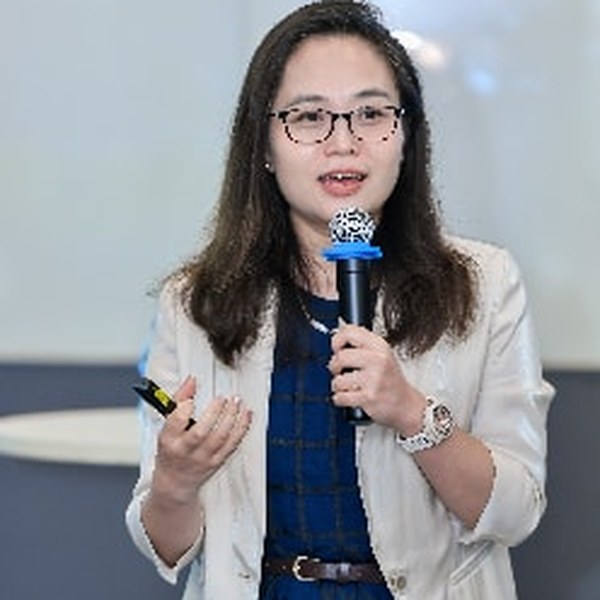
| 讲师简介 / About the Program Leader |
梁展红老师
跨文化沟通与AI转型双栖教练
(仅供点对点的交流沟通,任何人不能擅自发送到社交媒体和公开网站)
授课风格
• 多元环节融合:测验自查、精准讲解、案例示范、实操练习、及时反馈,全方位夯实学习成效。
• 通俗实战教学:摒弃晦涩,直击海外工作实际,让知识无缝对接应用,所学即所用。
• 循序渐进引导:依认知规律编排内容,从基础到高阶稳步推进,助学员扎实提升能力 。
• 互动拉满:课堂互动频繁,通过小组协作、趣味竞赛,激发学习热情,提升学习效果。
技术与语言沟通专业资质:
• 美国敏捷流畅度终身授权顾问(全球顶 尖敏捷组织转型方法论)
• 中欧高级译员培训中心((中国商务部与欧盟口译司合作项目,每年毕业10名学生,包括部委委培名额)认证中英文同声传译
• 管理与教练专业资质
• 国际行动学习协会(WIAL 新加坡)一阶研修 / 认证学员
• THOC(台北)国际管理教练认证专家(师从美国领导力大师汤玛士·柯瑞恩(Thomas G. Crane,主张将教练技术内化为组织共享的“文化与沟通语言”,通过重塑管理者的对话模式,帮助企业在跨文化与技术转型中打破沟通壁垒,构建高信任度的组织绩效文化)
• 儿童戏剧教育认证师资(中戏委主办,通过戏剧方式疗愈精神世界)
• 学历:
• 英国杜伦大学商学院MBA(英国顶 尖学院制铁三角,和剑桥、牛津合称Doxbridge)
• 广东外语外贸大学英语文学本科
曾任职务:
• 曾任:思特沃克(全球定制软件与AI咨询公司Top1、敏捷理念大旗扛旗公司、软件教父Martin Fowler服务的公司)数字与AI组织转型首席咨询师与学习设计专家
• 曾任:哈佛(全球Top1商学院)企业学习解决方案负责人
• 曾任:成长兔英语(腾讯投资、中国最早英语启蒙赛道开辟者)产品商业化负责人
• 曾任:中欧国际工商学院(中国Top1商学院)企业定制项目经理,负责全球企业与人才培训项目落地和交付
• 曾任:澳大利亚联邦警署驻华代表处(澳大利亚国 家 级执法机构的在华官方派驻部门)特聘翻译与本地文化顾问
• 曾任:澳大利亚驻广州总领事馆(澳大利亚政府在华南的官方最 高代表机构)旅游与签证事务中方秘书
专业外语水平证书:
• 30岁(2009年)获得ICFE(剑桥金融英语国际证书)(证书侧重财务与底层商业逻辑)
• 27岁(2006年)赴英国爱丁堡大学应用语言研究学院进修法律英语 —— 获得法律英语证书/研修资历(国际法务、合规与严谨的契约语言)
• 26岁(2005年)获得中欧高级译员培训中心认证同传,成为中国最早一批独立中英文同声传译员。
• 25岁(2004年)获得BULATS(剑桥职业外语水平测试)口语级别最 高级(欧标CEFRC1级别,其中口语与听力接近母语)
• 25岁(2004年)获得全国外语翻译证书中级口译口译员
• 25岁(2004年)获得澳大利亚翻译资格认可局二级口译员
学术与出版物:
• 全球知名的项目管理与战略实施专家Antonio Nieto-Rodriguez新书《Powered by Projects:Leading Your Organization in the Transformation Age(中文译名暂定:项目制胜》联合译者,书籍预计2026年下半年出版)
• 《动手学AI:孩子的AI魔法书》作者(书籍已经出版)机械工业出版社(书籍获得中国教育报、中科院物理研究所、江西教育局学生书单推荐)
• 《AI时代的软件质量变革》作者(机械工业出版社,书籍预计2026年下半年出版)
• 《AI时代的软件质量白皮书》发起人、作者(待出版,获得中欧AI与创新研究院、机械工业出版社联合发起,白皮书预计2026年下半年发布)
• 哈佛商业案例《思特沃克:敏捷创新的人才窘境》发起人和操盘手,作者是中欧国际工商学院案例中心与王泰元教授(已入库哈佛商业案例库)
• 哈佛商业案例《思特沃克:数字时代的敏捷创新》发起人和操盘手,作者是中欧国际工商学院案例中心与王泰元教授(已入库哈佛商业案例库)
研究与实战领域:跨文化沟通、跨文化谈判、跨国团队协作与融合、跨文化服务设计与交付、国际领导力、AI领导力、虚拟团队管理、分布式团队管理、国际项目管理、数字化转型、AI转型、数据思维、带领跨国团队、跨文化传播沟通、人力资源AI与数字化转型、知识和服务产品设计与商业化
【个人简介——中欧认证同声传译 | 国际跨文化沟通专家 | AI 时代组织变革顾问】
• 梁展红老师是深谙“底层AI与数字化技术架构”与“跨文化沟通”的双栖跨界顾问和教练,拥有20余年跨文化沟通与数字化人才培养和组织转型的项目实施与培训经验。长期专注探究企业在“出海全球化(地域跨文化)”与“数字化/AI转型(时代技术跨文化)”双重交织下的组织冲突与交付瓶颈。梁老师独创的 【ACT 双栖组织效能模型】(Actionable / Cultural / Tech-Rational),让梁老师的课程在出海与 AI 时代实现“落地、感性、理性”的三维平衡。
• 梁老师整理、沉淀和开发了独 家实战案例库(丰富的文字、视频、音频资源等),兼具全球权威与本土落地实操价值。案例和素材均源自权威学术机构和咨询公司,例如西点军校、哈佛商学院、麻省理工学院(MIT)以及加拿大与澳大利亚等国家权威跨文化咨询机构。
• 梁老师打破传统说教式培训,主张“在体验中解构,在共创中落地”的轻量化交付风格。善于运用教育戏剧、项目制学习(PBL)、实战案例深度研讨,以及高度可视化的敏捷画布与“Post-it”物理便利贴工作坊技术。通过高频度的多感官互动,帮助学员在轻松、安全的场域中打破思维防御、对齐认知差距,实现从“知”到“行”的闭环跨越。
• 梁老师在过去的咨询与培训生涯中,用纯熟的中英双语累计赋能超 1000 家企业、5000 多名中外企业中高级管理人员、技术骨干、业务创始人及核心高管,好评率在 90% 以上。
【实战经历】
• 海外工作、学习经验概述:
• 持有美国10年期多次往返签证,英国留学短期工作和澳大利亚政府机构工作经验。除此之外,还经常往返出差爱尔兰、法国、德国、新加坡、印尼、越南、马拉西亚、泰国、柬埔寨、越南等地。
• 海外文化与市场研究概述:
• 聚焦在欧美、中东市场、中亚市场和东南亚的文化、经济、人力资源与沟通的研究。与海外培训机构和知识内容合作,具备独立的跨文化运营、沟通、谈判、项目管理和组织转型案例库,包括来自美国西点军校、美国军方案例库、哈佛案例库、麻省理工案例库、毅伟商学院案例库、澳大利亚/加拿大健康权威机构等独 家素材。
• 研究与授课领域:
• 跨文化沟通、跨文化谈判、跨文化服务设计与交付、带领跨国团队、虚拟团队管理、国际项目管理、国际分布式团队管理、国际领导力、跨文化传播沟通
• 【境外工作项目经验】
• 美国常青藤大学高层经理培训与金融家研修项目管理、交付与服务运营:实现项目满意度≥4.5(满分5分),标准落地本地化进程提高60%,中国赴美、欧学习管理者适应期缩短50%,跨文化理解提升80% (地点:美国)
• 梁老师在2005-2015年作为同声传译员,持有美国10年多次往返签证,长期与全球顶 尖商学院的"顶 级俱乐部"成员合作,帮助哈佛、斯坦福、沃顿、麻省理工、哥伦比亚大学在多元文化环境中讲授、交付国际高端研修项目,具备全球顶 尖知识与高端服务交付运营标准和本地化操盘经验。
• 亚洲反恐与国际安全合作项目:帮助澳洲联邦警署与亚洲各国政府沟通和合作,谈判预测准确性提高30%,大幅度消除文化差异带来的沟通障碍,成功合作概率100%,培训效果显著提升,为2008年奥运会反恐和安保工作提供了大力的支持。(地点:澳洲和印尼)
• 梁老师在2006-2008年作为本地文化顾问与特聘翻译,帮助澳大利亚联邦警署与中国、亚洲地区各国家警署开展反恐与安保合作与培训项目,期间在澳洲、印尼和中国参与了3次重大关键国际政府间合作项目,推动了亚洲地区在反恐、安保和情报上的交流,保障了2008年奥运会的顺利举行。
• 英国慈善机构可持续发展与半商业化咨询:协调、说服多国项目成员,共同策划方案,帮助机构将资金来源从单一依赖政府/捐赠,拓展为 政府 + 自营 + 合作三类渠道(地点:英国)
• 梁老师在2010年英国留学期间,承接参与了当地慈善机构可持续发展与半商业化咨询的项目,在无职权结构中,有效协调、说服英、巴、印、新等多国合作伙伴,推动跨文化团队达成共识与交付。并亲自参与跨文化调研与在地洞察,系统分析目标国家的经济、民生与政策环境,为国际合作项目提供扎实的情境依据。与不同国家的顾问合作,将跨文化洞察与多方诉求转化为可执行方案,成功获得组织机构负责人决策支持。
• 日本某技术公司创新转型咨询项目:帮助企业进行服务创新转型(地点:日本)
• 梁老师在2016年期间,作为同声传译员,参与了日本某技术公司创新转型的咨询项目,帮助《蓝海战略》作者/提出者W. Chan Kim(金伟灿)给日本某技术公司提供价值创新与四步动作框架(ERRC)咨询,为客户重新设计服务与收入模式。
• 为北美头部家居建材零售巨头提供跨境供应链合规支持——降低通关风险和延误成本。(地点:泰国)
• 梁老师在2026年作为同声传译员,在泰国为世界 500 强北美头部家居建材零售巨头提供跨境供应链合规支持,通过定制化培训与指南输出,帮助供应商显著提升通关合规率,降低货物滞留与罚款风险,保障零售端库存稳定与上新节奏。
• 【境内国际项目经验】
• 海外并购文化融合与能力建设——释放收购公司能力,助力拉美市场上市(项目所在地:美国、澳大利亚、巴西,项目成员来自美国、澳大利亚、巴西、印度、英国和中国)
• 2024年梁老师作为首席咨询师,负责北美某软件公司海外并购后的文化融合与能力建设项目。介入时,该北美软件公司已收购标的近两年,却始终处于“黑盒状态”:业务流程不明、能力现状不清、团队人心浮动,巴西上市计划长期搁置。作为首席咨询师,在美、澳、巴三地统筹六国项目成员,快速搭建“现状解构 + 差异对标 + 能力排序”的工作框架:在极短时间内厘清被并购方的端到端业务流程与关键能力缺口;对比母公司商业模式与巴西市场特性,识别出上市前必须解决的核心瓶颈;设计分阶段能力培养与组织准备路径,沉淀可复用的案例与知识库。核心成果:打破两年僵局,消除约 50% 的冗余投入与试错成本;为巴西上市扫清关键障碍,大幅压缩上市准备周期,避免战略窗口错失。
• 跨国数字化组织变革与知识沉淀——打破部门壁垒,激活全球专家网络(覆盖:中、美、印、澳)
• 梁老师在2022-2024年在“全球软件工程黄埔军校:美誉之称的软件咨询公司思特沃克担任首席咨询师与学习设计专家,负责统筹来自澳大利亚、印度、北美及中国的行业专家团队,将全球的敏捷创新、敏捷交付、敏捷项目管理、客户体验、服务设计、软件工程与研发、AI和数据等一系列项目交付物和方法论成功抽象、沉淀成为可复用的知识体系、案例和方法论,并将其商业化,并联动国际顶 尖商学院输出商业案例,确立公司在细分领域的思想领导力,是其成为公司新的盈利中心,新业务上市速度提高300%,交付质量提升30%,交付产品线增加 900%,并将交付周期缩短 92%。
| 代表性客户 / PART OF TRAINED COMPANIES INCLUDED BUT NOT LIMITED TO |
服务客户
基建能源类:中广核、振华集团、中国十七冶金集团、中电建华东院、中交二航三、 斯伦贝谢、壳牌、中昆石油设备、协鑫能源、阳光电源
设备电机类:丹佛斯、格至控智能动力
移动通信:中移动、中联通
高校类:中欧国际工商学院DBA项目、EMBA项目
汽车类:大众集团中国、大众安徽合肥、大众数字化销售与服务公司、奔驰金融
互联网IT类:Oppo、京东、联想、腾讯、惠普
医药类:西安杨森、三九、双鹤、诺和诺德
快消类:雀巢中国、蒙牛、伊利
金融类:蚂蚁、平安集团、平安银行、招商银行、北京银行、华夏银行、民生银行、建 设银行、工商银行
政府与组织:英国驻华大使馆、澳大利亚驻华大使馆、澳大利亚联邦警署、DTZ德国技 术合作公司、斯坦福工程学院、哈佛商学院、沃顿商学院
学员评价
梁老师的数字化转型与AI课程内容清晰易懂、易于记忆且便于应用。这对于非技术背景的学员来说,无疑是快速掌握AI操作、理解AIGC和大模型底层逻辑的绝 佳途径。课程设计紧密贴合实际工作场景,针对具体任务提供了极具针对性的指导,极大地提升了学员们在实际工作中运用所学知识的能力。
大众集团学院项目负责人
梁老师的中国文化与翻译课程非常深入浅出,对于中文为非母语的学员和使馆官员来说,非常接地气,贴合实际外交和商务工作场景。
英国大使馆内训培训负责人
Larissa的跨文化思维与沟通十分优秀,帮助我们顺利与各个国家的对接官员和项目成员建立了良好的合作,给国际合作带来了积极的影响。
澳大利亚联邦警署文化参赞
【精彩瞬间】
| 中欧国际工商学院DBA项目 《数字化人才与组织发展选修课》 | 中欧国际工商学院案例中心沙盘 《价值决策:游戏沙盘》 |
| 大众集团中国学院 《AIGC办公提效》 | 中欧国际工商学院敏捷创新选修课 《数字化人才与企业发展转型》 |
| 中欧EMBA实景教学基地 《敏捷创新企业实景游学课程》 | 全球服务设计大赛 《Service Jam决赛小组辅导》 |
【视频链接】
AIGC生成的特点以及企业将来落地的问题
https://1500026140.vod-qcloud.com/a29c5544vodtranssh1500026140/a1f47a695145403698689610234/v.f1453242.mp4
AIGC的工具运作原理和挑选原则
https://1500026140.vod-qcloud.com/a29c5544vodtranssh1500026140/a22f40bf5145403698689648857/v.f1453242.mp4
明确内训需求与课程方向
了解岗位、学员与业务痛点
调研实际场景与学习目标
定制课程内容与实操安排
确认培训方案与实施细节
讲师授课与现场实操
跟进学习应用与问题反馈
评估培训成果与落地效果
珀菲特顾问成立于2011年,是一家专业为企业提供一体化解决方案的知识供应商。我们紧跟AI技术发展趋势,整合AI实战讲师资源,为企业提供从AI认知到落地的全链条赋能培训解决方案。
Founded in 2011, PERFECT CONSULTANT is a knowledge supplier specializing in integrated enterprise solutions. We closely follow AI technology trends and integrate practical AI instructor resources to provide full-chain empowerment from AI awareness to implementation.
承接组织绩效提升与人才学习发展业务,覆盖企业内训、公开课、在线学习和项目咨询四大板块,并将AI赋能内容融入不同业务与岗位场景。
We support organizational performance improvement and talent learning development across enterprise internal training, public courses, online learning and project consulting, embedding AI empowerment into business and role-specific scenarios.
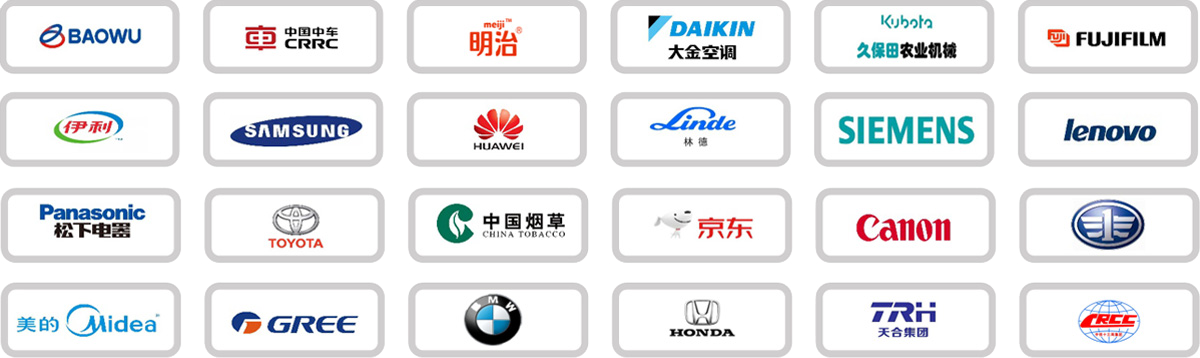
服务世界500强企业、合资工厂、国有企业、快速发展的民营企业及行业代表性企业,客户包括微软、Intel、阿里巴巴、腾讯、华为、三星、丰田等知名科技与制造企业。
We serve Fortune 500 companies, joint ventures, state-owned enterprises, fast-growing private companies and industry leaders, including Microsoft, Intel, Alibaba, Tencent, Huawei, Samsung, Toyota and other leading technology and manufacturing enterprises.
覆盖AI赋能与领导力、通用管理、人力资源、精益智造及个人效能等方向,为不同岗位提供实战课程。
围绕组织绩效与人才发展定制培训方案,可将AI办公、智能体、AI研发与数字化供应链等内容嵌入业务场景。
提供人才梯队、智能制造与AI转型咨询,通过案例驱动、工具实操和模板交付推动方案落地。
 企业视频号
 公司微信公众号
 公开课小程序
AI效能提升 × HR实战干货 × 领导力精要,前沿管理智慧每周更新,
关注视频号获取全场景管理解决方案,让卓越触手可及!
AI productivity, practical HR insights and leadership essentials, updated weekly.
Follow our video channel for management solutions across every scenario.
热线咨询
周一至周日9:00-18:00
微信咨询(注明来意)
周一至周日8:00-20:00
 珀菲特咨询顾问
 珀菲特咨询顾问
Copyright © 2006-2025 PerfectPX All rights reserved. 苏州珀菲特企业管理顾问有限公司 版权所有 苏ICP备11056827号-1 苏公网安备 32050702010145号
珀菲特咨询顾问珀菲特咨询顾问关注公众号关注视频号